
Consumer Goods & Electronics

Our fellows advance a portfolio of sector-focused initiatives spanning food systems, consumer packaged goods and electronics, and digital technologies—designed to embed nature and climate considerations within business decision-making.

In consumer goods and electronics, we focus on promoting circular solutions and sparking behaviour change—reducing environmental impact while reshaping how products are designed, used, and valued.


Save the Flavours Switzerland - Making climate change personal through the flavours we love

Save the Flavours Switzerland - Making climate change personal through the flavours we love

NCIT is supporting the Swiss launch of Climate Basecamp’s Save the Flavours campaign from April – October  2026, working with Paleta Loca and ID Genève to connect climate change with something people care about: chocolate. The collaboration brings together chocolate ice cream, a limited-edition “Is it Choco-too-late?” watch and public engagement activity to open conversations about the climate risks facing cocoa and the foods we love.

H2NO – Scaling Lower-Impact Beauty Products

H2NO – Scaling Lower-Impact Beauty Products

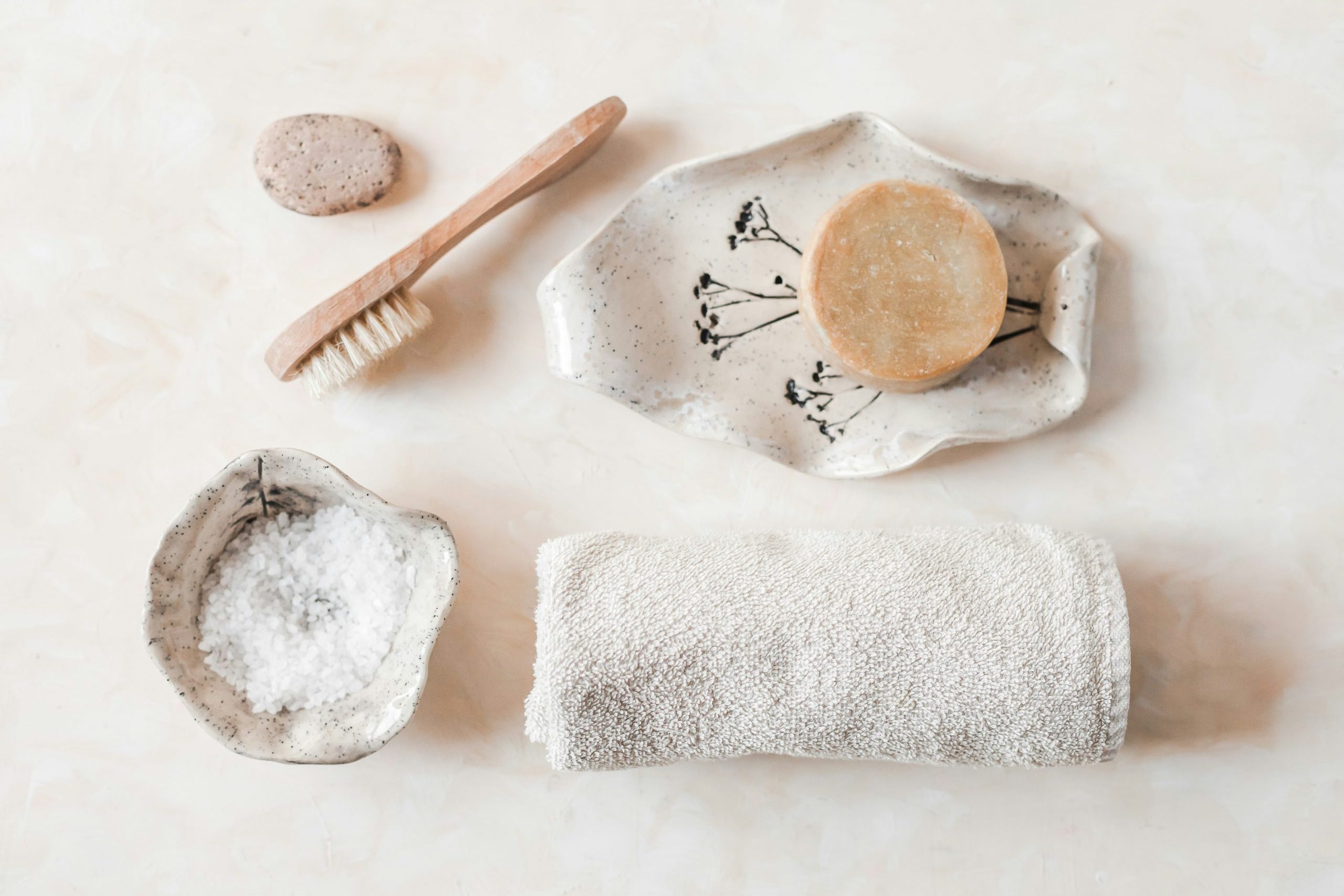
H2NO brings together researchers, brands, retailers and communications specialists to support the adoption of solid and concentrated personal care products. Working with WRAP and M&C Saatchi, NCIT has convened industry workshops to understand barriers to adoption and identify practical opportunities for action. The project is now extending its retailer engagement and developing an AI assistant to help shoppers compare products against priorities such as performance, affordability and environmental information.

Rethinking Early Tech -  Translating lessons from smartphone-free communities into practical tools for local leaders

Rethinking Early Tech - Translating lessons from smartphone-free communities into practical tools for local leaders

Rethinking Early Tech supports the ‘smartphone-free towns and regions’ approach, helping communities work together to delay children’s first smartphones. The project aims to support healthier childhoods and reduce unnecessary device purchases and their environmental impact.

Through interviews and case studies exploring how these local movements start and grow, NCIT is developing a practical playbook for schools, parents and local leaders. Planned parent focus groups in Ealing and a November 2026 workshop with Coram Institute for Children will explore barriers, share lessons and help more communities adopt this approach.

It's Getting Hairy - Sparking climate conversations in salons and barbershops

It's Getting Hairy - Sparking climate conversations in salons and barbershops

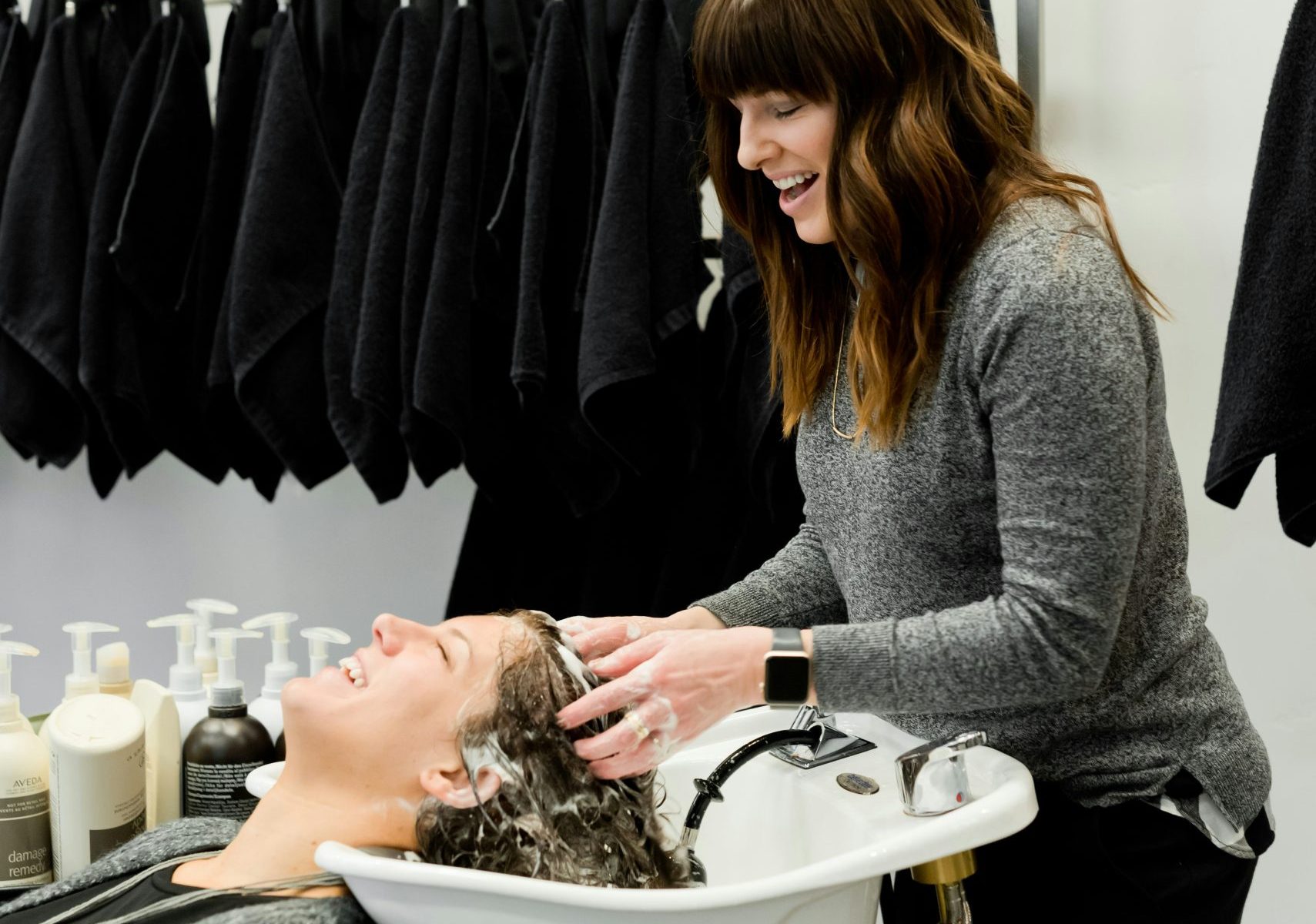
It’s Getting Hairy puts salons and barbershops at the heart of community climate engagement, turning everyday appointments into opportunities for conversation and action. Our Exeter pilot (May–August 2026) showed what’s possible: 88% of businesses responding to the survey said the stickers started or added to customer conversations.

Building on this success, the next phase will refine the materials and extend the project’s reach through beauty-sector partnerships. NCIT is working with academics on further research, with an academic paper planned, to build an approach that salons and barbershops across the UK can put into practice.