
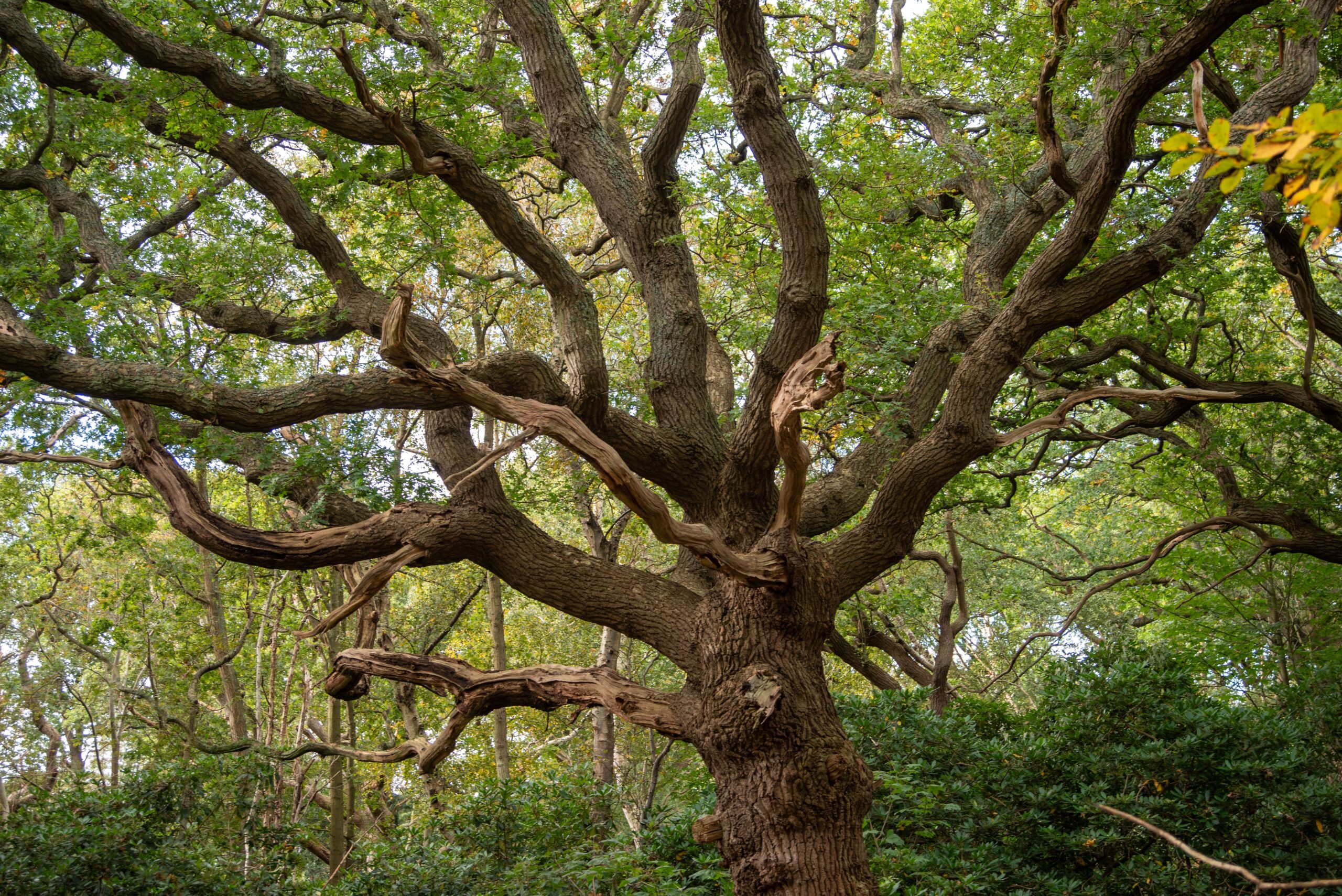
NCIT partnered with climate creatives Omid Djalili and Louis VI to use comedy, culture, and social media to bring attention to the climate threats facing Britain’s oak trees.
Oak trees are amongst the UK’s most important habitats, with mature trees supporting around 2,300 species, more than any other native tree. Yet, climate and land-use change are putting these iconic trees under pressure, as rising temperatures, drought, extreme weather, pests and diseases, and woodland fragmentation threaten the species’ long-term health.
In October 2025, the Nature and Climate Impact Team (NCIT) collaborated with Project Basecamp and Tiny Speck Productions to launch a social media-based campaign using humour and storytelling to raise awareness of the importance of oaks and the threats they face.
Featuring comedian Omid Djalili and musician and zoologist Louis VI, Oaktober used comedy to bring biodiversity science and climate messaging to a wider audience, who might otherwise be disengaged from climate messaging. The campaign video reached thousands across social media, demonstrating the potential of creative, culture-led approaches to climate communication.
View on Instagram
Oaks are a keystone tree species in the UK, supporting more biodiversity than any other native tree, including 326 species which are dependent on oaks for their survival. They support complex ecosystems, providing food and shelter for birds, mammals, fungi, insects, add lichens, while also delivering wider environmental benefits, helping to cool urban spaces, improve air quality and store carbon.
These benefits are especially important in the UK, which is one of the world’s most nature-depleted countries.
Britain’s oaks are facing the combined pressures of a changing climate and shifting land-use patterns. Hotter summers and drought can weaken trees, reducing their natural defences, and extreme weather can damage roots and branches. Milder winters can also allow some pests and pathogens to survive and spread. These pressures compound over time, threatening the long-term health of oaks and the biodiversity associated with them.
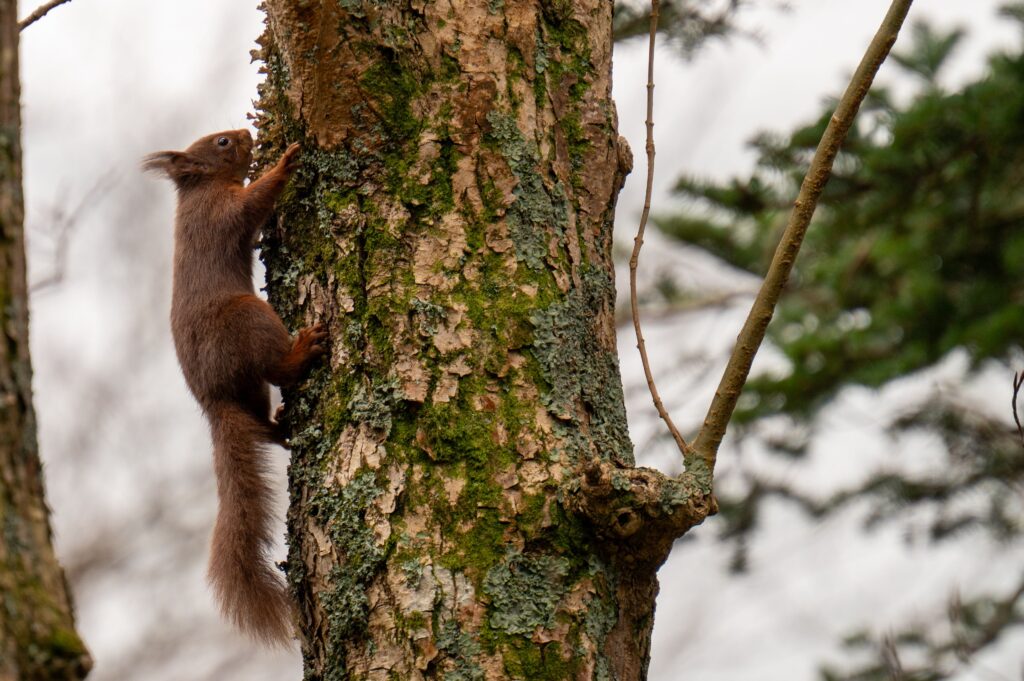
A red squirrel climbs a moss covered tree in a forest
Oak trees offer a familiar and culturally significant starting point for climate and biodiversity conversations with new audiences. Recognisable features of the British landscape, they are closely associated with native wildlife, the countryside and national heritage, including British naval history – oak timber was used to build many of the Royal Navy’s warships, earning it the nickname “The Wooden Walls of Old England”.
Thus cultural significance gives communicators an opportunity to connect environmental challenges with something audiences already recognise and value, making the impacts of climate change on nature and biodiversity more tangible.
Across Facebook and Instagram the campaign reached 166,000 views, with an audience split of 56% male and 44% female, representing a shift from the typical female-skewed engagement patterns commonly observed in sustainability campaigns, indicating the approaches’ potential for engaging a broader audience.
While these figures do not establish whether the campaign reached people who were previously disengaged from environmental communications, they offer a useful insight into the potential of creative, humour-led approaches to engage a broader audience base.

A man checking his smartphone outdoors, wearing a hoodie.
Oaktober forms part of NCIT’s ongoing work exploring creative approaches to climate and nature communication.
This year’s #Oaktober campaign adapts the LCAW Speakers’ Corner activation format to normalise climate and nature conversations among Exeter-based Gen Z audiences. Through a series of social media posts and audience engagement, the campaign shows viewers that people like them are already speaking up for nature – and that they can too. The content makes participation feel accessible and socially accepted, encouraging more young people to find their own voice and speak for nature.
Have an idea for a future Oaktober campaign? Reach out to explore how we can collaborate on creative approaches to bringing climate and nature conversations to new audiences.